Overview
Transform your garden into a haven of natural beauty with our premium tree lupine seeds. Also known by its botanical name, Lupinus arboreus, this remarkable plant is a stunning addition to any landscape. Often referred to as bluebonnet lupin due to its resemblance to the iconic Texas wildflower, the Tree Lupine is a robust and captivating species. These heirloom seeds promise to yield magnificent, long-blooming spires of flowers, creating an unforgettable visual display. As a native wildflower, it brings an authentic charm to your outdoor space, thriving with minimal intervention once established. Embrace the joy of growing these beautiful perennials from seed and watch your garden flourish with life and color.
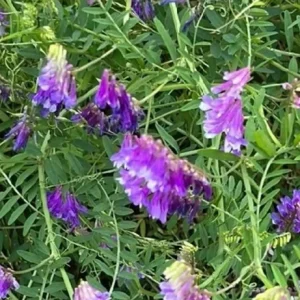
Our tree lupine seeds are carefully selected to ensure high germination rates and vigorous growth. This perennial is a fantastic choice for gardeners looking for both aesthetic appeal and ecological benefits. Its striking flowers, often in shades of blue, purple, yellow, or white, stand tall, making them excellent focal points or backdrops in mixed borders. The Tree Lupine’s hardiness and adaptability make it suitable for various garden styles, from cottage gardens to more naturalized settings. Planting these seeds is an investment in long-term garden beauty and sustainability.
Key Benefits
The tree lupine seeds offer a multitude of advantages for both the gardener and the environment. Growing these plants provides a rewarding experience with lasting benefits.
- Vibrant Floral Displays: Enjoy spectacular spires of flowers that bloom profusely, adding dramatic height and rich color to your garden. The diverse hues of the bluebonnet lupin create a stunning visual impact.
- Attracts Pollinators: These plants are incredibly pollinator friendly plants, drawing in bees, butterflies, and other beneficial insects. They play a vital role in supporting local ecosystems and enhancing garden biodiversity.
- Perennial Wildflower: As a true perennial wildflower, Tree Lupine returns year after year, reducing the need for annual replanting and offering consistent beauty with less effort.
- Low Maintenance: Once established, Lupinus arboreus is remarkably drought-tolerant and requires minimal care, making it an excellent choice for busy gardeners or those seeking sustainable options.
- Soil Improvement: Like other legumes, lupines are nitrogen-fixers, naturally enriching the soil and benefiting neighboring plants without the need for excessive fertilization.
- Erosion Control: Their strong root systems can help stabilize soil on slopes and prevent erosion, making them useful for challenging garden areas.
- Heirloom Quality: These heirloom seeds ensure you are growing a plant with a rich genetic history, often resulting in more robust and true-to-type characteristics than modern hybrids.
Plant Care & Growing Tips
Growing tree lupine seeds is a rewarding experience, and with the right care, your plants will thrive and provide years of beauty. Proper siting and initial soil preparation are key to success. Lupines prefer a location with full sun, meaning at least 6-8 hours of direct sunlight per day. While they can tolerate some partial shade, abundant sunlight encourages the most prolific flowering. Ensure the planting site has good air circulation to prevent fungal issues.
Soil is crucial for lupinus arboreus. They prefer well-draining, slightly acidic to neutral soil (pH 6.0-7.0). Avoid heavy, clay soils that retain too much moisture, as this can lead to root rot. If your soil is heavy, amend it with organic matter like compost and sand to improve drainage. Watering should be consistent during the plant’s establishment phase. Once mature, Tree Lupines are quite drought-tolerant, but a deep watering during prolonged dry spells will benefit them. Overwatering is a common mistake, so allow the top inch or two of soil to dry out between waterings.
For optimal growth, especially for young plants, a light application of a balanced, low-nitrogen fertilizer in spring can be beneficial. However, due to their nitrogen-fixing capabilities, excessive fertilization is usually unnecessary. Deadheading spent flower stalks not only keeps the plant looking tidy but can also encourage a second flush of blooms later in the season. These perennial wildflowers are generally hardy in USDA zones 8-10, tolerating mild frosts but needing protection in colder climates. In areas with harsh winters, consider growing them as annuals or providing heavy mulch. Watch out for common pests like aphids and slugs, which can be managed with organic pest control methods.
Size & Details
Our tree lupine seeds will develop into impressive perennial plants, typically reaching heights of 3 to 6 feet (90-180 cm) with a similar spread, forming a bushy, woody base. The mature plants exhibit a strong, upright growth habit, adorned with palmate leaves that provide an attractive texture even when not in bloom. The flowering period usually occurs from late spring through early summer, with a potential for rebloom if deadheaded. Each seed packet contains a generous quantity of viable seeds, allowing you to establish a robust stand of these beautiful pollinator friendly plants. The seeds are ready for planting upon arrival and require a period of stratification for best germination results.
These plants are relatively fast-growing, especially after their first year. Expect to see substantial foliage development in the first season, with flowering often beginning in the second year. They are shipped as dry seeds, ensuring easy storage and transportation. The mature size makes them ideal for the back of borders, as a screening plant, or for naturalizing large areas. With their strong presence and ecological benefits, these bluebonnet lupin plants are a valuable addition to any garden design.
Frequently Asked Questions
- Q: How big does this plant get? A: Tree lupine seeds grow into plants that typically reach 3 to 6 feet tall and wide, forming a substantial shrub-like perennial. Their impressive size makes them a great focal point in the garden.
- Q: Is this an indoor or outdoor plant? A: Tree Lupine (Lupinus arboreus) is primarily an outdoor plant. It thrives in full sun and is best suited for garden beds, borders, and naturalized areas.
- Q: How much sunlight does it need? A: These perennial wildflowers require full sun, meaning at least 6-8 hours of direct sunlight per day, to produce the most abundant and vibrant blooms.
- Q: Is this plant easy to care for? A: Once established, Tree Lupine is considered low-maintenance and quite drought-tolerant. They are relatively easy to grow from seed with proper initial care.
- Q: What condition will it arrive in? A: The product will arrive as a packet of high-quality, viable tree lupine seeds, ready for planting according to the provided instructions.
- Q: How long until it blooms? A: While foliage will develop in the first year, Tree Lupine typically begins to flower in its second growing season. Subsequent years will see even more prolific blooming.
- Q: Will it survive winter in my zone? A: Tree Lupine is hardy in USDA Zones 8-10. In colder zones, it may be grown as an annual or require significant winter protection and mulching.
- Q: What is the best time to plant these seeds? A: The best time to plant lupinus arboreus seeds is in late fall or early spring after a period of cold stratification, which mimics natural winter conditions.
- Q: Are these plants good for attracting wildlife? A: Yes, these are excellent pollinator friendly plants. Their nectar-rich flowers are a magnet for bees, butterflies, and other beneficial insects, enhancing garden biodiversity.
- Q: Can I grow these in containers? A: Due to their large size and extensive root system, Tree Lupines are generally not ideal for long-term container growing, but young plants can be started in large pots before transplanting.


Reviews
There are no reviews yet.