Overview
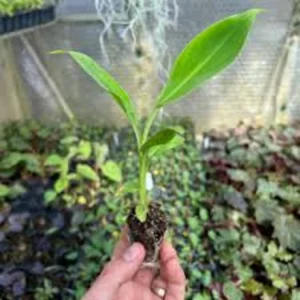
Experience the joy of growing your own exotic fruit with this vibrant sugar apple live plant. Known botanically as Annona squamosa, the sugar apple is a small, deciduous tree or shrub highly prized for its unique, sweet, and aromatic fruit. Often called custard apple or sweetsop, the fruit has a creamy, custardy texture with a sweet, fragrant pulp, making it a delightful treat. This particular specimen stands an impressive 16-20 inches tall and comes securely planted in a 1-gallon pot, ensuring a healthy start for your tropical edible garden. Perfect for enthusiasts looking to cultivate an Annona squamosa plant, it’s a rewarding addition for both experienced gardeners and those new to tropical fruit cultivation.
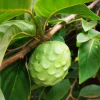
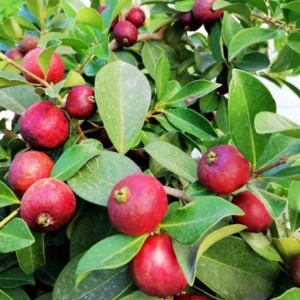
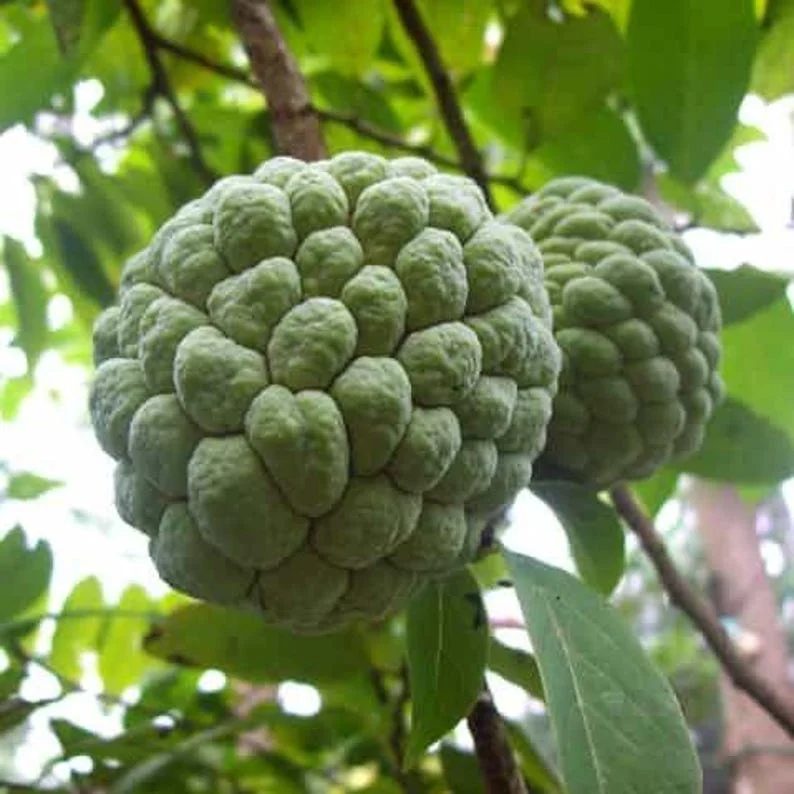
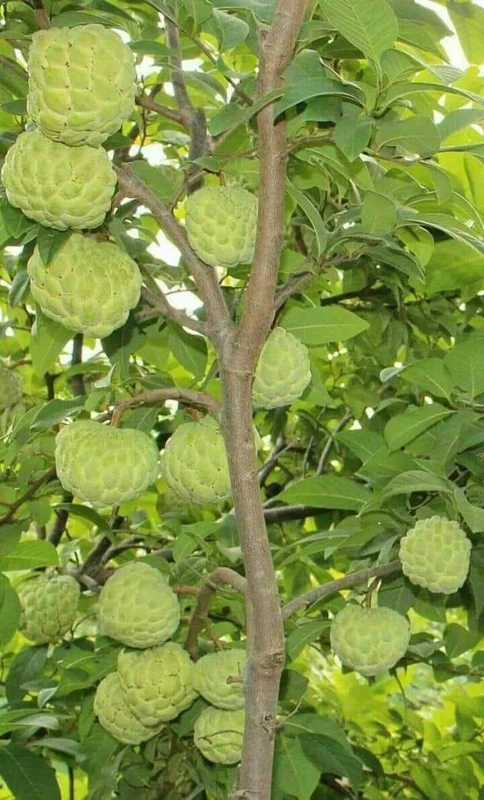
The sugar apple originates from the tropical Americas and West Indies, flourishing in warm, humid conditions. Its distinctive bumpy, pale green skin and segmented, aromatic flesh make it instantly recognizable. Growing a sugar apple live plant allows you to enjoy fresh, organic fruit directly from your garden or patio, adding an exotic touch to your culinary adventures. This robust plant is ready to be transitioned into a larger container or planted in the ground in suitable climates, offering the promise of future harvests of this delectable fruit.
Key Benefits
Cultivating a sugar apple live plant offers a multitude of advantages, from the sheer pleasure of fresh fruit to the aesthetic appeal of a tropical garden:
- Delicious, Homegrown Fruit: Enjoy the sweet, custardy, and aromatic flavor of fresh sugar apples, far superior to store-bought varieties. Growing your own ensures organic, pesticide-free produce.
- Unique Tropical Appeal: The distinctive foliage and fruit of the Annona squamosa plant add an exotic and beautiful element to your garden, patio, or greenhouse.
- Nutrient-Rich Harvest: Sugar apples are packed with vitamins (especially Vitamin C), minerals, and dietary fiber, contributing to a healthy diet.
- Container Growing Potential: This plant thrives in large containers, making it suitable for patios, balconies, or indoor growing in colder climates, allowing you to move it indoors during winter.
- Relatively Low Maintenance: Once established, the sugar apple live plant is quite resilient and doesn’t demand excessive care, making it a good choice for busy gardeners.
- Rewarding Growing Experience: There’s immense satisfaction in watching your tropical fruit tree grow from a young plant to a fruit-bearing specimen, understanding how to grow sugar apple successfully.
- Culinary Versatility: The fruit can be enjoyed fresh, in smoothies, desserts, or even made into ice cream, offering many ways to savor its unique flavor.
Plant Care & Growing Tips
To ensure your sugar apple live plant thrives and produces abundant fruit, understanding its specific care requirements is crucial. Sugar apples prefer a tropical to subtropical climate, ideally USDA Zones 9-11 for outdoor planting. In cooler regions, they can be grown in containers and moved indoors during colder months. Provide your plant with a location that receives at least 6-8 hours of direct sunlight per day. While it can tolerate some partial shade, full sun promotes better fruiting and overall plant health.
Watering is key for a healthy Annona squamosa plant. Keep the soil consistently moist, especially during flowering and fruiting periods, but avoid waterlogging, which can lead to root rot. Allow the top inch or two of soil to dry out slightly between waterings. Well-draining soil is essential; a rich, loamy soil with a slightly acidic to neutral pH (6.0-7.0) is ideal. Fertilize your sugar apple live plant every 2-3 months during the growing season (spring through fall) with a balanced, slow-release fertilizer or an organic fruit tree fertilizer. Pruning should be done to maintain a manageable size, remove dead or diseased branches, and encourage a bushy growth habit.
Size & Details
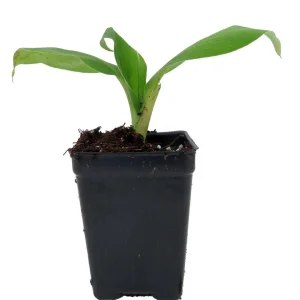
This offering is for one healthy sugar apple live plant (Annona squamosa) measuring approximately 16 to 20 inches in height from the top of the soil. It is shipped securely rooted in a 1-gallon nursery pot, providing a robust root system ready for transplanting. While sugar apple trees can eventually reach heights of 10-20 feet in ideal conditions, they can be kept smaller through regular pruning, especially when grown in containers. The plant has a moderate growth rate, and with proper care, you can expect it to begin fruiting within 2-3 years, depending on environmental conditions and care. The plant will arrive with healthy foliage, ready to adapt to its new home, helping you learn how to grow sugar apple effectively.
Frequently Asked Questions
- Q: How big does this plant get and what size pot does it come in? A: This sugar apple live plant measures 16-20 inches tall and comes in a 1-gallon pot. In the ground, it can reach 10-20 feet, but can be maintained smaller in larger containers.
- Q: Is this an indoor or outdoor plant? A: The Annona squamosa plant is a tropical fruit tree. It can be grown outdoors year-round in USDA Zones 9-11. In cooler climates, it should be grown in a container and brought indoors during winter to protect it from frost.
- Q: How much sunlight does it need? A: Sugar apple plants require at least 6-8 hours of direct sunlight daily for optimal growth and fruit production.
- Q: Is this plant easy to care for? A: Once established, the sugar apple live plant is relatively easy to care for, requiring consistent watering, good drainage, and regular fertilization during the growing season. It’s a great option for those interested in how to grow sugar apple.
- Q: What condition will it arrive in? A: Your plant will arrive healthy, well-packaged, and securely rooted in its 1-gallon pot, ready for transplanting. We take great care to ensure safe delivery.
- Q: Can I use sugar apple in cooking? A: Absolutely! The sweet, fragrant pulp of the sugar apple is delicious eaten fresh, used in smoothies, ice creams, custards, and various other desserts.
- Q: When is the best time to plant a sugar apple? A: The best time to plant is in spring or early summer after the last chance of frost, allowing the plant ample time to establish itself before cooler weather.
- Q: Will it survive winter in my zone? A: If you are outside USDA Zones 9-11, your sugar apple live plant will need to be protected from frost. This typically means growing it in a container and moving it indoors to a bright, warm location during winter.
- Q: What is a custard apple tree? A: Custard apple is another common name for the sugar apple (Annona squamosa plant), referring to the fruit’s creamy, custard-like texture.
- Q: Is this a good tropical fruit plant for beginners? A: Yes, with proper attention to its light and watering needs, a tropical fruit plant like the sugar apple can be a very rewarding choice for beginner gardeners interested in exotic fruits.


Reviews
There are no reviews yet.