Overview
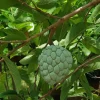
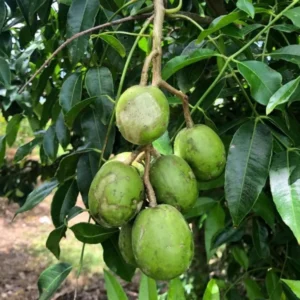
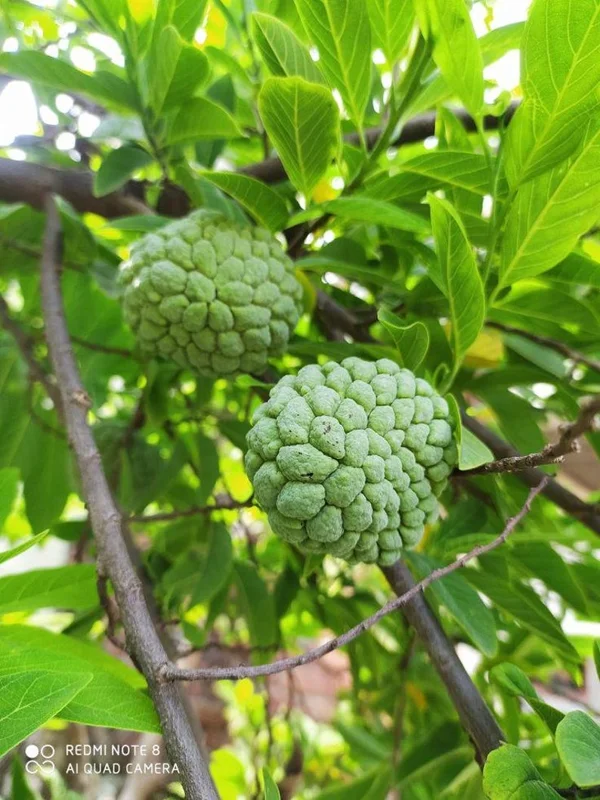
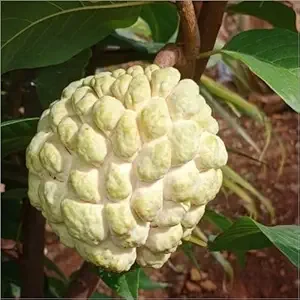
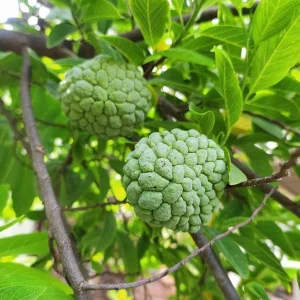
Experience the joy of growing your own exotic fruit with this exquisite sugar apple live plant. Also known by its scientific name, Annona squamosa, this tropical delight is revered for its unique, sweet, and custardy fruit. Originating from the American tropics, the sugar apple, often called ‘sweetsop’, is a small, deciduous tree that thrives in warm climates, making it an excellent choice for gardeners in USDA zones 9-11 or as a container plant moved indoors during colder months. This particular specimen comes as a healthy 4-inch potted plant, ready to establish itself in your garden or patio. Its distinctive segmented fruit, with a flavor profile reminiscent of custard, pear, and pineapple, is a true culinary treat. Growing a sugar apple live plant offers not only delicious harvests but also an attractive, manageable tree for your landscape or container collection.
The Annona squamosa care requirements are relatively simple, making it accessible to a wide range of growers, from beginners to experienced horticulturists. This plant is a fantastic way to introduce a piece of the tropics into your home or garden, providing both ornamental beauty and a source of fresh, homegrown fruit. Its ability to adapt to container life also makes it a versatile option for those with limited space or in cooler regions where it can be protected from frost. Embrace the rewarding experience of nurturing this tropical gem and anticipate the delightful, sweet fruits it will bear.
Key Benefits
Adding a sugar apple live plant to your collection brings numerous advantages, from its unique fruit to its aesthetic appeal.
- Exotic Fruit Production: Enjoy the distinct, sweet, and aromatic fruit of the sugar apple, a rare treat not commonly found in local grocery stores. The fruit’s creamy texture and rich flavor make it a favorite for fresh eating, desserts, and smoothies.
- Ornamental Value: Beyond its fruit, the Annona squamosa offers attractive foliage and a compact growth habit, making it a beautiful addition to your garden, patio, or even as an indoor specimen. Its lush green leaves provide a tropical ambiance.
- Relatively Easy Care: With proper Annona squamosa care, this plant is quite resilient and can thrive with minimal fuss, especially in suitable climates. It’s a great option for those looking for a rewarding tropical fruit tree that isn’t overly demanding.
- Container Growing Potential: For gardeners in cooler climates or those with limited space, this tropical fruit trees variety adapts well to container living, allowing you to move it indoors during winter to protect it from frost.
- Health Benefits: Sugar apples are rich in vitamins, minerals, and antioxidants, contributing to a healthy diet. Growing your own ensures you have access to fresh, pesticide-free produce.
- Unique Flavor Profile: The complex taste, often described as a blend of pineapple, pear, and custard, sets the sugar apple apart from other more common fruits, offering a delightful culinary experience.
- Educational Experience: Growing a less common fruit like the sugar apple can be a fascinating and educational project for families and gardeners, teaching about tropical horticulture and food production.
Plant Care & Growing Tips
Proper Annona squamosa care is essential for a thriving plant and abundant fruit production. This tropical plant prefers warm, humid conditions and needs protection from frost. When planting, choose a location with full sun exposure, ideally receiving at least 6-8 hours of direct sunlight daily. If growing indoors, place it near a bright, south-facing window or use supplemental grow lights. The soil should be well-draining, rich in organic matter, and have a slightly acidic to neutral pH (6.0-7.0). A good quality potting mix amended with compost works well for container-grown plants.
Watering is crucial for the sugar apple live plant. Keep the soil consistently moist but never waterlogged. Allow the top inch or two of soil to dry out between waterings. During hot, dry periods, it may require more frequent watering. Reduce watering during cooler months or when the plant is dormant. Fertilize regularly during the growing season (spring through summer) with a balanced, slow-release fertilizer or a liquid feed formulated for fruit trees. Pruning should be done to maintain shape, remove dead or diseased branches, and encourage fruit production. Light pruning after harvest is generally recommended. Watch out for common pests like mealybugs and scale insects, and treat them promptly with organic insecticides or horticultural oil. Protecting the plant from temperatures below 30°F (-1°C) is vital, either by bringing container plants indoors or providing frost protection for in-ground trees. Understanding growing sugar apple needs will ensure a healthy and productive tree.
Size & Details
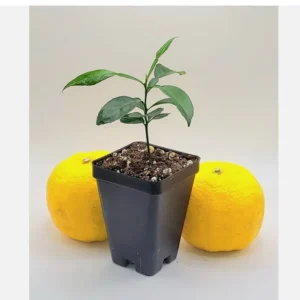
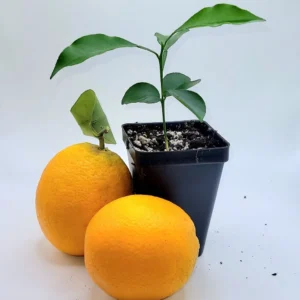
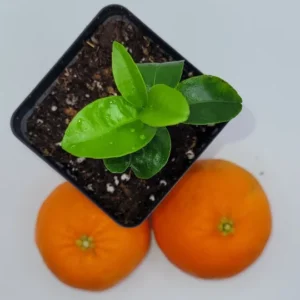
This sugar apple live plant is currently supplied in a 4-inch nursery pot, providing a well-established root system ready for transplanting. At this stage, the plant typically stands between 6 to 12 inches tall, depending on growth. Sugar apple trees are generally small to medium-sized, reaching heights of 10 to 20 feet in ideal outdoor conditions, though they can be kept smaller through pruning, especially when grown in containers. They have a moderately fast growth rate, allowing you to enjoy fruit within a few years of planting. The plant will be shipped in its nursery pot with soil, ensuring minimal shock upon arrival. The fruit itself is typically round to heart-shaped, about 2-4 inches in diameter, and ripens from late summer to fall depending on the climate and specific variety. The cherimoya relative is known for its distinctive appearance and delicious yield.
Frequently Asked Questions
- Q: How big does this plant get? A: This sugar apple live plant is in a 4-inch pot, typically 6-12 inches tall. In the ground, it can reach 10-20 feet, but it can be maintained at a smaller size through pruning, especially in containers.
- Q: Is this an indoor or outdoor plant? A: The sugar apple is a tropical outdoor plant in USDA zones 9-11. In cooler climates, it can be grown outdoors during warm months and brought indoors as a container plant for winter.
- Q: How much sunlight does it need? A: A sugar apple live plant requires full sun, meaning at least 6-8 hours of direct sunlight per day, for optimal growth and fruit production.
- Q: Is this plant easy to care for? A: With appropriate Annona squamosa care for its tropical nature, it is considered moderately easy to care for. Providing adequate warmth, sunlight, and consistent watering are key.
- Q: What condition will it arrive in? A: Your sugar apple live plant will arrive well-packaged in its 4-inch nursery pot with soil, ensuring its health and readiness for transplanting.
- Q: Can I use sugar apple in cooking? A: Yes, the sweet, custardy pulp of the sugar apple is delicious eaten fresh, used in smoothies, ice cream, and various desserts. It’s a fantastic ingredient for tropical culinary creations.
- Q: What’s the best time to plant? A: For outdoor planting in suitable zones, spring is generally the best time after all danger of frost has passed. Container plants can be repotted any time of year indoors.
- Q: What’s the minimum temperature it can tolerate? A: The sugar apple live plant is sensitive to cold and should be protected from temperatures below 30°F (-1°C) to prevent damage or death. This is why many growers consider them tropical fruit trees best suited for warm climates or indoor protection.
- Q: Is this a cherimoya relative? A: Yes, the sugar apple (Annona squamosa) is indeed a close relative of the cherimoya (Annona cherimola), both belonging to the Annona genus, known for producing delicious, segmented fruits.
- Q: How long until it produces fruit? A: With good growing sugar apple practices, you can typically expect your plant to start producing fruit within 2-4 years from planting, sometimes even sooner for well-established young plants.


Reviews
There are no reviews yet.