Overview
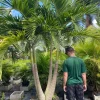
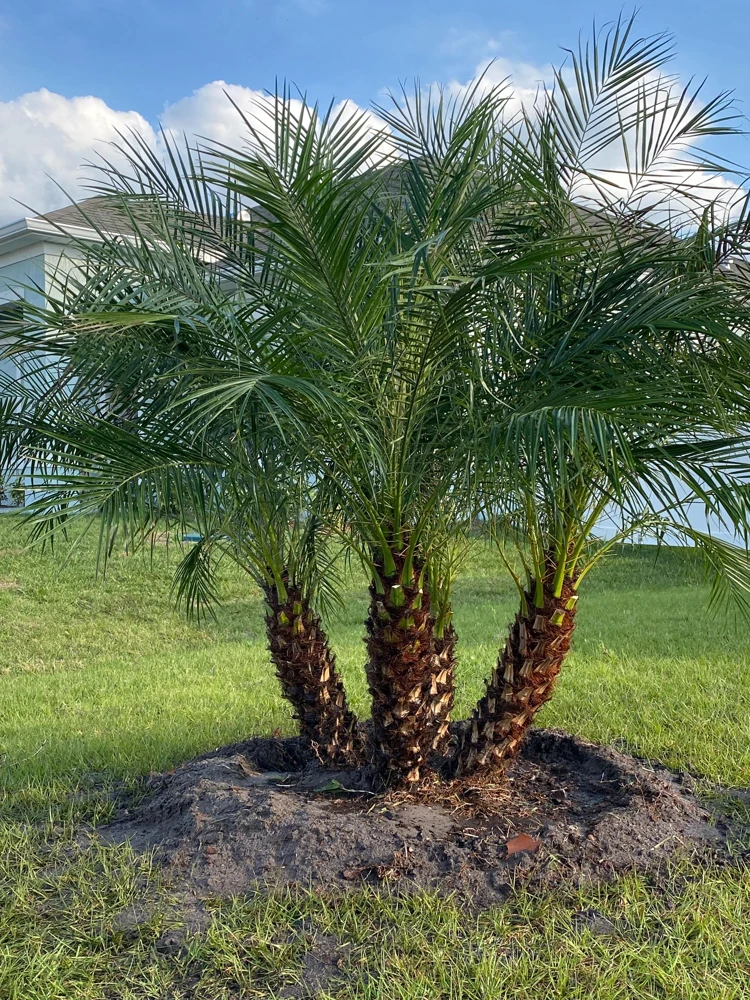
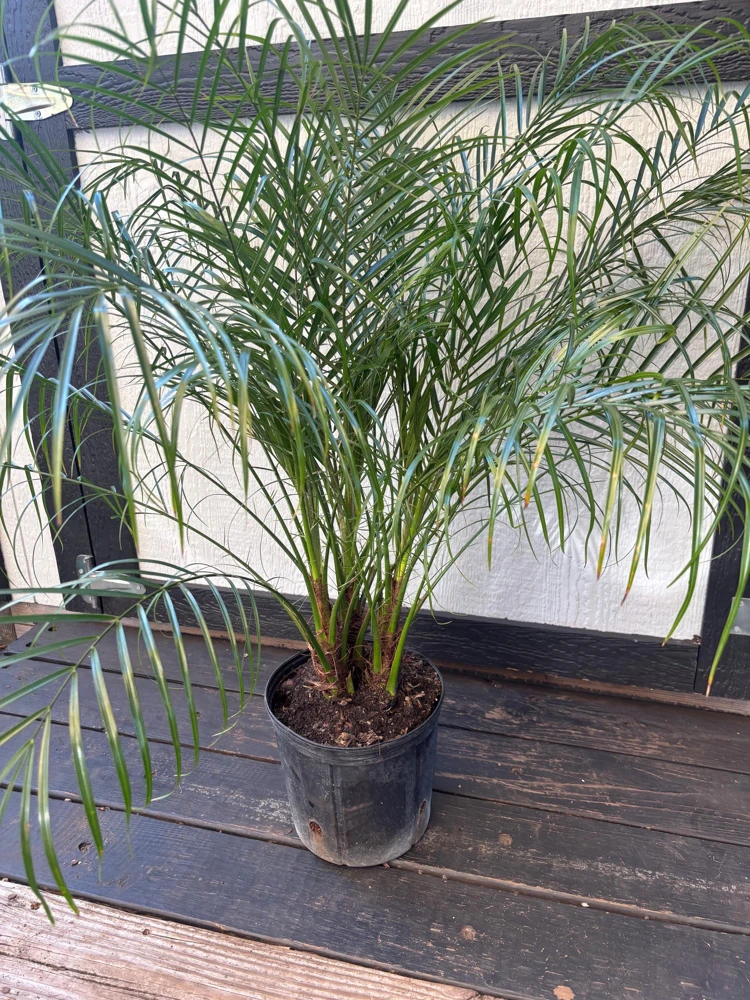
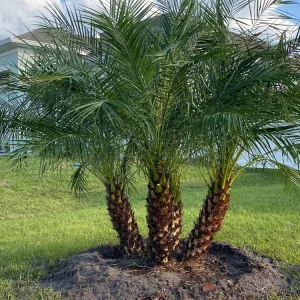
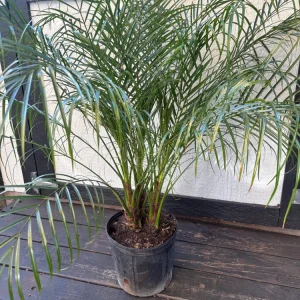
Introduce a touch of the tropics to your home or garden with the exquisite triple pygmy date palm. This stunning and versatile live plant, scientifically known as Phoenix roebelenii live plant, is a compact, slow-growing palm celebrated for its elegant, arching, and feathery fronds. Unlike larger palm varieties, the Pygmy Date Palm’s manageable size makes it an ideal choice for a variety of settings, from adorning a sunny patio to enhancing an entryway or integrating into a tropical landscape design. You will receive a well-established specimen in a 3 gallon palm tree container, ready to bring an immediate sense of lushness and sophistication to your space. Its robust nature and ability to adapt to both container living and garden beds make it a prime selection for both residential and commercial landscaping projects. Discover the beauty and ease of caring for this magnificent small date palm.
Key Benefits
The triple pygmy date palm offers numerous advantages, making it a highly sought-after plant for various landscape and interior designs. Its unique characteristics provide both aesthetic appeal and practical benefits that enhance any environment it inhabits.
- Elegant Tropical Aesthetic: The graceful, arching, and feathery fronds of the Phoenix roebelenii live plant create an immediate tropical ambiance, transforming any space into a serene, exotic retreat. It’s perfect for creating a resort-like feel right at home.
- Compact and Manageable Size: As a small date palm, it remains compact, making it an excellent choice for smaller gardens, patios, balconies, or even as an indoor accent. It provides lush greenery without overwhelming the space.
- Versatile Placement: This palm thrives equally well in containers or planted directly in the ground. Its adaptability allows it to be moved indoors during colder months or used to define outdoor living areas. The 3 gallon palm tree size is perfect for immediate impact.
- Low Maintenance: Once established, the pygmy date palm care requirements are relatively straightforward, making it suitable for both experienced gardeners and those new to palm cultivation. It’s forgiving and resilient.
- Drought Tolerance: While it appreciates regular watering, the Pygmy Date Palm exhibits a good degree of drought tolerance once mature, making it a sustainable choice for water-conscious gardeners in appropriate climates.
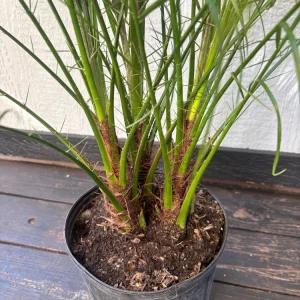
- Architectural Interest: Its unique triple trunk formation (if applicable to the specimen, otherwise single trunk is common for the species) and fine-textured foliage add significant architectural interest and a focal point to any garden or room.
- Adaptable to Various Light Conditions: While it prefers bright light, it can tolerate partial shade, offering flexibility in placement. This makes the triple pygmy date palm a versatile addition to your plant collection.
Plant Care & Growing Tips
Proper pygmy date palm care ensures a healthy and vibrant plant that will thrive for years. This palm is known for its adaptability, but understanding its basic needs will help it reach its full potential. The Phoenix roebelenii live plant generally prefers warm climates and is quite resilient.
Sunlight Requirements: The triple pygmy date palm performs best in full sun to partial shade. For optimal growth and frond health, aim for at least 6 hours of direct sunlight per day. If grown indoors, place it near a south or west-facing window where it can receive abundant bright, indirect light. Too little light can lead to leggy growth and reduced vigor. In very hot climates, some afternoon shade can prevent leaf scorch.
Watering Schedule & Soil Moisture: Water thoroughly when the top 2-3 inches of soil feel dry to the touch. Ensure excellent drainage to prevent root rot, as these palms do not like consistently wet feet. Reduce watering frequency during cooler months or if the plant is grown indoors. Consistent moisture is key during the growing season, but avoid overwatering. Proper pygmy date palm care involves finding the right balance.
Soil Type & Drainage: This palm prefers a well-draining soil mix. For container planting, use a high-quality potting mix formulated for palms or a blend of peat moss, perlite, and sand. If planting in the ground, ensure the soil is sandy or loamy with good drainage. Amend heavy clay soils with organic matter and sand to improve permeability. The 3 gallon palm tree you receive will be in suitable nursery soil, but consider repotting or planting soon after arrival.
Temperature Range & USDA Hardiness Zone: The triple pygmy date palm is suitable for USDA Hardiness Zones 9-11. It thrives in temperatures between 65°F and 85°F (18°C-29°C). While it can tolerate brief dips to freezing, prolonged cold temperatures can cause damage. If you live in a colder zone, it is best to grow this small date palm in a container and bring it indoors during winter.
Fertilization: Fertilize your Phoenix roebelenii live plant during the growing season (spring through fall) with a slow-release palm fertilizer that contains micronutrients like magnesium and potassium. Follow the product instructions for application rates. Avoid fertilizing during winter when the plant’s growth slows down.
Common Problems: Watch out for common palm pests like spider mites or scale insects, especially on indoor plants. Treat with insecticidal soap if necessary. Yellowing fronds can indicate nutrient deficiencies (often magnesium or potassium) or overwatering. Adjust your pygmy date palm care routine accordingly.
Size & Details
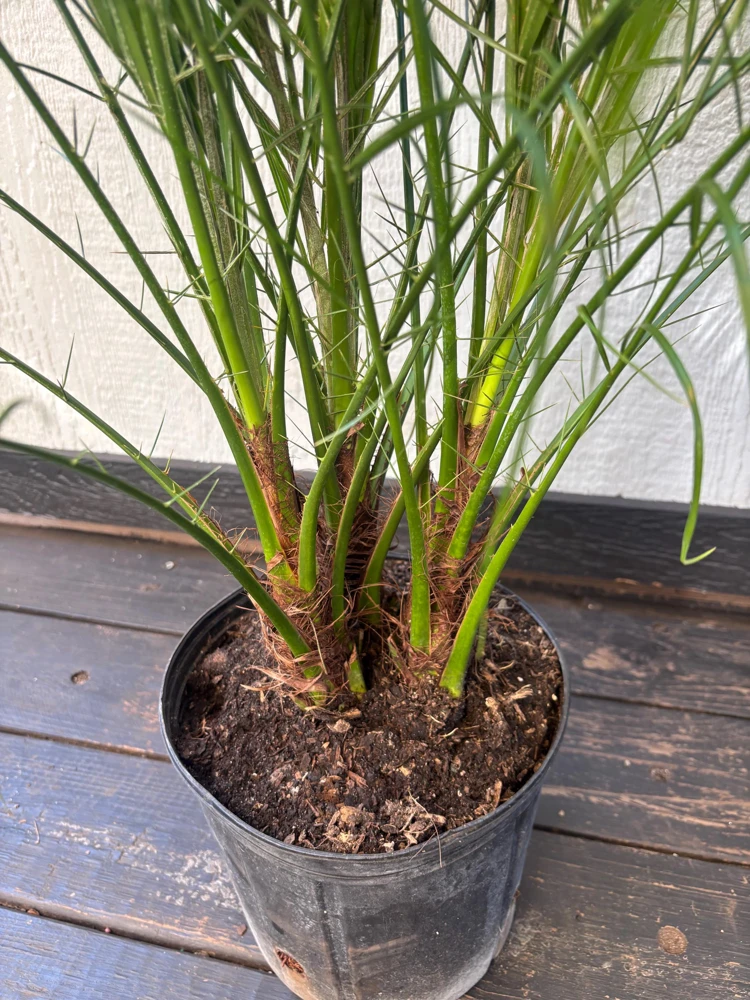
This offering is for a healthy, well-established triple pygmy date palm specimen, shipped in a 3 gallon palm tree container. At maturity, this Phoenix roebelenii live plant typically reaches a height of 6 to 12 feet and a spread of 5 to 8 feet, making it an ideal small date palm for various settings. Its slow growth rate means it will maintain its compact size for many years, making it easy to manage. The plant will arrive with robust root systems and healthy foliage, ready for transplanting into your garden or a larger decorative pot. Expect the distinctive triple trunk formation to develop over time, adding to its unique appeal. This palm provides instant tropical appeal and is a long-term investment in your landscape.
Frequently Asked Questions
- Q: How big does this plant get? A: The triple pygmy date palm typically reaches a mature height of 6 to 12 feet with a spread of 5 to 8 feet. Its slow growth rate ensures it remains a manageable size for many years, making it an ideal small date palm.
- Q: What size pot does it come in? A: This Phoenix roebelenii live plant is shipped in a 3 gallon palm tree container, providing a well-established plant ready for immediate display or planting.
- Q: Is this an indoor or outdoor plant? A: The pygmy date palm can be grown both indoors and outdoors. It thrives outdoors in USDA Zones 9-11 and can be a beautiful houseplant in cooler climates, provided it receives adequate light.
- Q: How much sunlight does it need? A: This palm prefers full sun to partial shade, ideally receiving at least 6 hours of direct sunlight per day. If grown indoors, place it in a bright location, such as near a south or west-facing window.
- Q: Is this plant easy to care for? A: Yes, pygmy date palm care is relatively easy once established. It’s known for its resilience and adaptability, making it suitable for gardeners of varying experience levels.
- Q: What condition will it arrive in? A: Your triple pygmy date palm will arrive as a well-established, healthy live plant with robust roots and vibrant foliage, carefully packaged to ensure its safe journey.
- Q: When is the best time to plant? A: For outdoor planting, spring to early summer is ideal, allowing the palm to establish before cooler temperatures. Indoor container planting can be done year-round.
- Q: Will it survive winter in my zone? A: This palm is hardy in USDA Zones 9-11. If you are in a colder zone, it is recommended to grow your Phoenix roebelenii live plant in a container and bring it indoors to protect it from freezing temperatures.
- Q: What kind of soil does it need? A: The pygmy date palm prefers well-draining soil. For containers, use a good quality potting mix designed for palms. For garden beds, ensure the soil is sandy or loamy and drains well.
- Q: How often should I water my 3 gallon palm tree? A: Water thoroughly when the top 2-3 inches of soil feel dry. Allow the soil to dry out slightly between waterings to prevent root rot. Reduce watering in cooler months.


Reviews
There are no reviews yet.